
love addiction treatment
at Grow Rehab
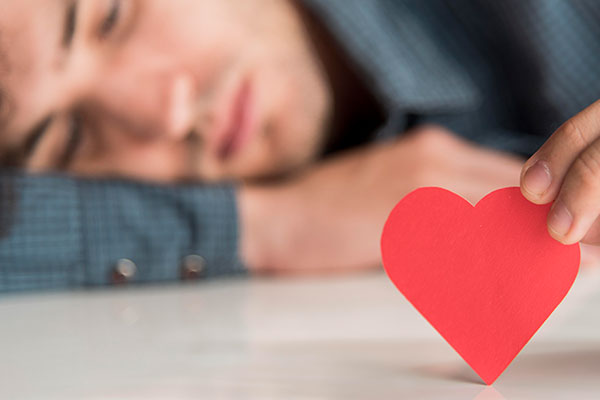
Love addiction, also referred to as emotional dependency or love obsession, is a condition in which an individual becomes excessively reliant on romantic relationships for validation, security, and self-worth. At Grow Rehab, we recognize that love addiction is a complex emotional and psychological challenge that can profoundly affect an individual’s well-being, relationships, and sense of identity. Our goal is to provide compassionate, effective care that empowers individuals to restore emotional balance, strengthen self-awareness, and build healthier, more fulfilling relationships.
What is
Love Addiction?
Love addiction develops when an individual feels an overwhelming need to be in a romantic relationship, often at the expense of their emotional stability, independence, and overall well-being. This dependency may appear as a constant need for validation from a partner, obsessive focus on the relationship, or engagement in unhealthy behaviors to prevent abandonment or maintain emotional security.
For individuals struggling with love addiction, romantic relationships can feel like the primary source of fulfillment and safety. However, this reliance often leads to unhealthy patterns such as emotional manipulation, excessive jealousy, and codependent dynamics. Love addiction is not limited to physical or sexual attraction; it also involves a deep need for continuous emotional reassurance and difficulty feeling whole or secure without a partner.
Love addiction is frequently rooted in underlying issues such as low self-esteem, insecurity, unresolved trauma, or attachment difficulties. While love and connection are essential to healthy relationships, love addiction can create harmful dynamics that ultimately undermine both personal growth and relational well-being.
The Impact of
Love Addiction
Love addiction can lead to significant emotional and practical consequences that affect multiple areas of an individual’s life. Common impacts include:
- Emotional Instability
Individuals struggling with love addiction often experience intense emotional highs and lows. A constant need for validation and affection may result in anxiety, loneliness, and depression, particularly when a relationship does not meet their emotional expectations. - Codependency
Codependency is a central feature of love addiction, characterized by excessive emotional reliance on a partner for stability and self-worth. This imbalance often leads individuals to neglect their own needs in favor of their partner’s, increasing vulnerability to unhealthy or exploitative relationship dynamics. - Obsessive Behavior
Love addiction frequently involves obsessive thoughts and behaviors related to the relationship. Individuals may feel compelled to constantly check on their partner, become possessive, or lose focus on other important areas of life, such as work, friendships, and personal development. - Relationship Turmoil
The cycle of intense attachment, fear of abandonment, and constant reassurance-seeking can create unstable and conflict-filled relationships. Behaviors such as emotional manipulation, excessive jealousy, or controlling tendencies may emerge, placing significant strain on the partnership. - Loss of Personal Identity
Many individuals with love addiction gradually lose their sense of self within relationships. Personal goals, interests, and aspirations may be neglected, with self-identity becoming defined solely by the relationship, leading to diminished fulfillment and personal growth. - Repeated Dysfunctional Relationships
Individuals with love addiction often find themselves repeatedly entering unhealthy relationships, sometimes with emotionally unavailable, neglectful, or abusive partners. The fear of loneliness and the need for validation can override the ability to recognize and break harmful patterns.
Our Approach to Treating
Love Addiction
At Grow Rehab, we take a holistic and individualized approach to treating love addiction. Our programs focus on helping individuals understand the emotional and psychological factors driving their dependency while equipping them with practical tools to develop emotional stability and build healthy, balanced relationships. Our treatment approach includes:
- Comprehensive Assessment
Treatment begins with a thorough assessment to explore relationship patterns, emotional triggers, attachment styles, and the overall impact of love addiction on the individual’s life. This process allows us to create a personalized treatment plan tailored to each client’s unique needs and recovery goals. - Cognitive Behavioral Therapy (CBT)
CBT is an effective therapeutic approach for addressing love addiction. It helps individuals identify and challenge unhealthy thought patterns and behaviors that contribute to emotional dependency. By recognizing maladaptive attachment styles and reframing core beliefs, clients develop healthier perspectives on love, self-worth, and relationships. - Individual Counseling
One-on-one counseling provides a safe and supportive space for individuals to explore emotional needs, self-esteem concerns, and attachment-related issues. Our therapists work with clients to address underlying factors such as past trauma, fear of abandonment, and unresolved emotional wounds, supporting the development of healthy emotional boundaries. - Group Therapy
Group therapy offers a supportive and structured environment where individuals can connect with others facing similar challenges. Sharing experiences helps reduce isolation, foster accountability, and build a sense of community. Group sessions also provide opportunities to practice healthy communication and relationship skills in a safe setting. - Attachment and Relationship Education
Because love addiction is often linked to insecure attachment patterns, our program includes education on healthy attachment styles and relationship dynamics. Clients learn to recognize the difference between genuine emotional connection and addiction-based behaviors, enabling them to form secure and emotionally balanced relationships. - Mindfulness and Self-Compassion Training
Mindfulness practices, including meditation and self-compassion exercises, help individuals cultivate greater self-awareness and emotional regulation. By strengthening self-acceptance and resilience, clients reduce their reliance on external validation and develop a healthier relationship with themselves. - Relapse Prevention
Relapse prevention is a crucial component of long-term recovery. Our program helps individuals recognize early warning signs of emotional dependency, manage triggers, and maintain healthy boundaries. Clients also learn strategies to foster emotional independence and sustain balanced relationship patterns. - Aftercare and Ongoing Support
Recovery from love addiction is an ongoing journey. Our aftercare services provide continued support through ongoing therapy, support groups, and regular follow-ups, ensuring individuals remain supported as they continue building healthy, fulfilling relationships.
Contact Us
Need more Information?
Drop Us a Line!